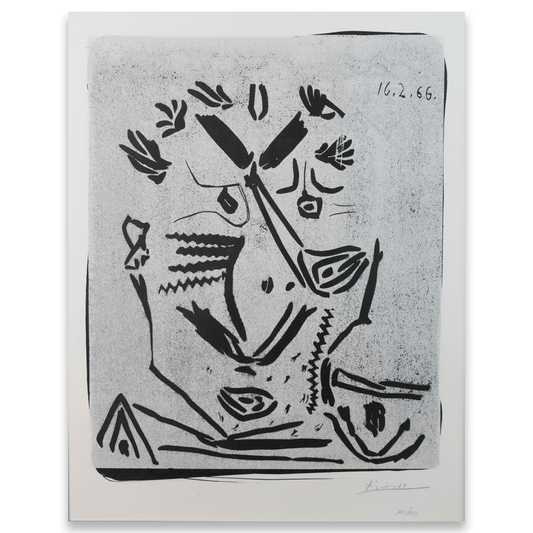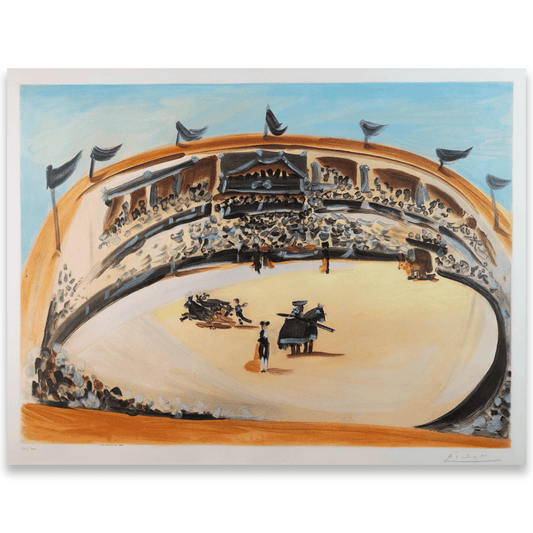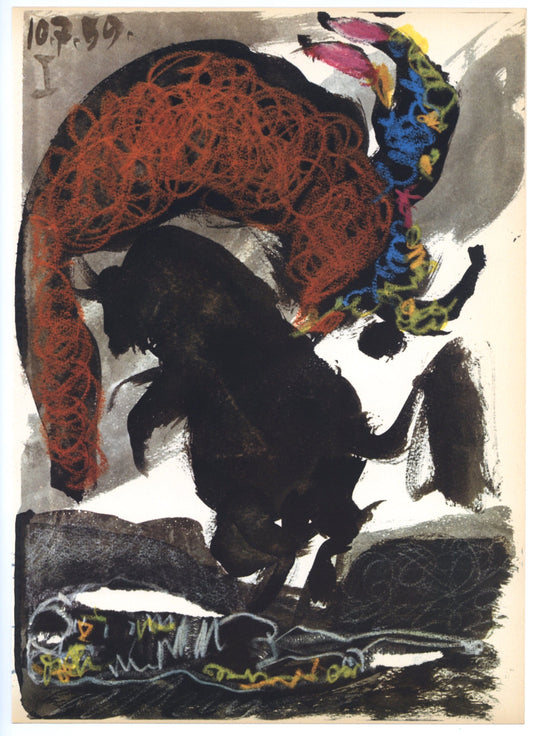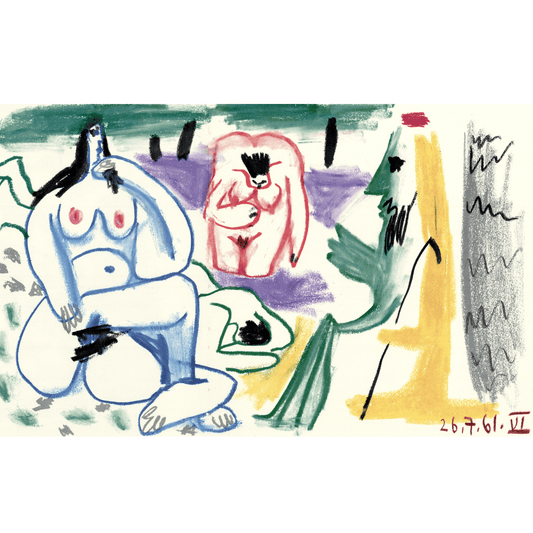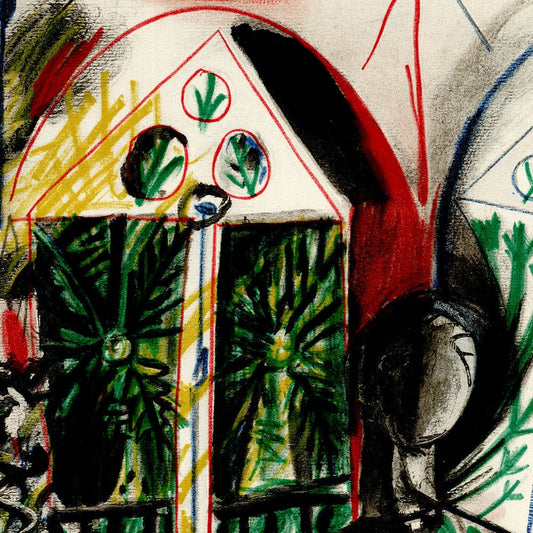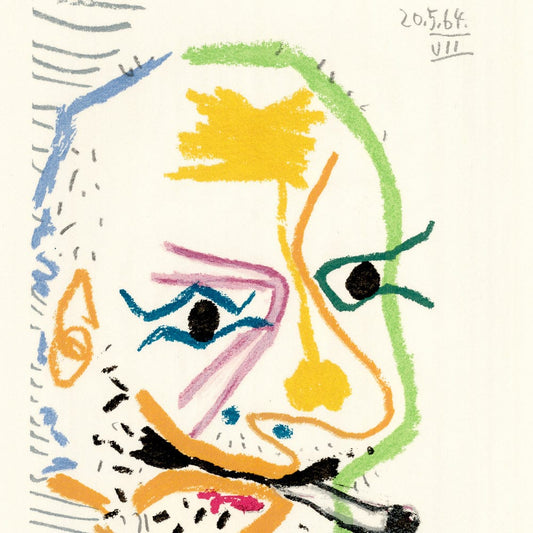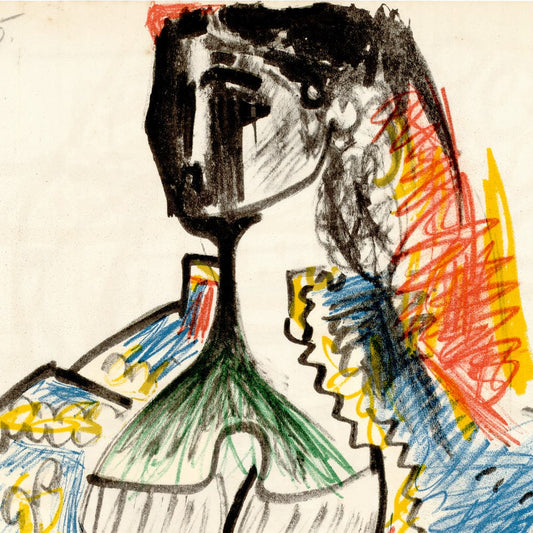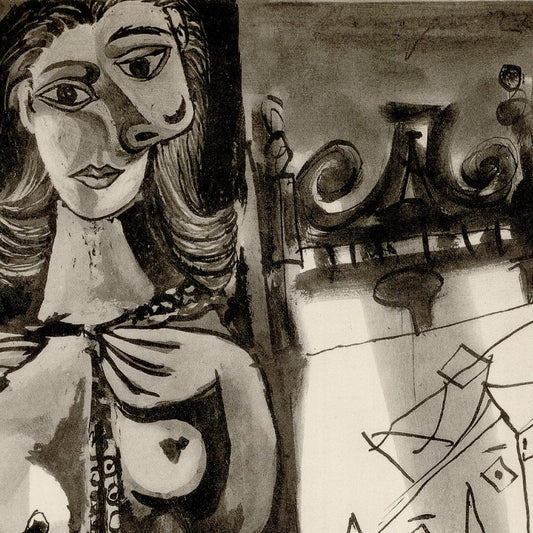
Pablo Picasso (1881-1973) Famously viewed his printmaking as a "personal diary," a medium through which he explored the continuous metamorphosis of his creative vision. Throughout his 70-year career, Picasso produced more than 2,400 works across every conceivable graphic medium. This collection showcases the extraordinary breadth of his output, spanning from the intricate detail of his original etchings to the fluid freedom of his lithographs, and the bold, vibrant textures of the linocut. Working alongside legendary printers such as Roger Lacourière, the Atelier Crommelynck, Fernand Mourlot, and Hidalgo Arnéra, Picasso redefined what was possible on the plate and the stone.
Sort and Browse our Picasso Collection Below or Click Here to Continue Reading
Masterworks in Etching and Lithography
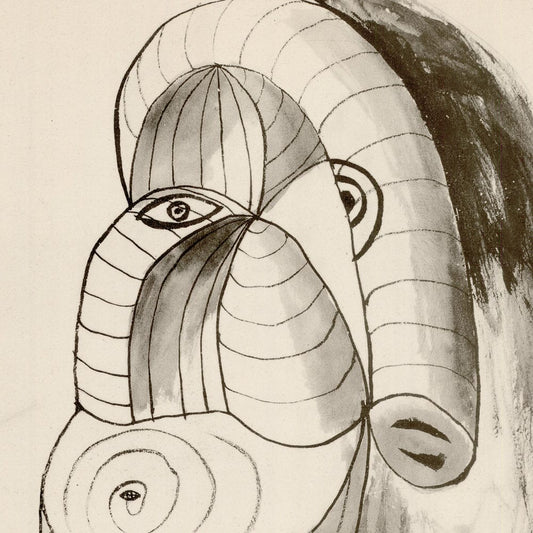
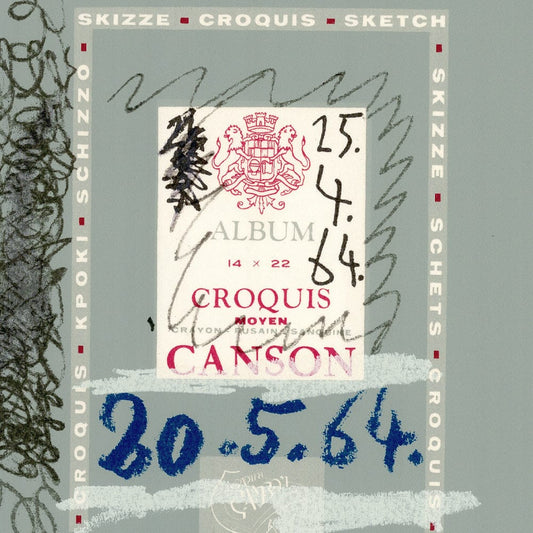
In the realm of original prints, Picasso’s collaborations are the stuff of art history legend. His 1943 portfolio Grâce et Mouvement features fourteen exquisite etchings that capture the fluidity of the human form, while the 1968 series Le Cocu Magnifique, created with the Crommelyncks, demonstrates his technical late-career brilliance. His post-war obsession with at the Mourlot Studio led to iconic releases like The Human Comedy (1954) and the vibrant Toros y Toreros (1961). Each work, whether it be from the Carnet de la Californie or the haunting Carnet de Dessins (Royan), serves as a primary record of his artistic evolution.
The Art of Interpretation: Pochoirs, Lithographs and other "afters"
Beyond his hand-carved plates, Picasso’s legacy includes highly sophisticated interpretation prints and pochoirs. Under Picasso’s direct supervision, master artisans like Daniel Jacomet and Gunther Dietz utilized manual color-application techniques to recreate the artist's wash drawings and gouaches with startling fidelity. These authorized editions—such as La Flûte Double (1967), Faunes et Flore d'Antibes (1960), and Mes dessins d'Antibes—are highly prized by collectors. Notable among these is the 1970 Le Goût du Bonheur, which utilized a refined screenprint (Dietz-Offizin) process to replicate the raw energy of Picasso's sketchbooks.
Estate Releases and Posthumous Legacy
The collectability of Picasso’s work extends into the carefully managed Estate Lithographs. Authorized by his granddaughter Marina Picasso and released via Jackie Fine Arts, these editions were produced under the watchful eye of master lithographer and colorist Laurent Marcel Salinas. These works allow collectors to acquire imagery derived from Picasso’s private collection of paintings and drawings. Furthermore, the significant 1991 release of estate lithographs featuring the preliminary studies for Guernica provides an invaluable window into the creation of the 20th century’s most important political masterpiece.